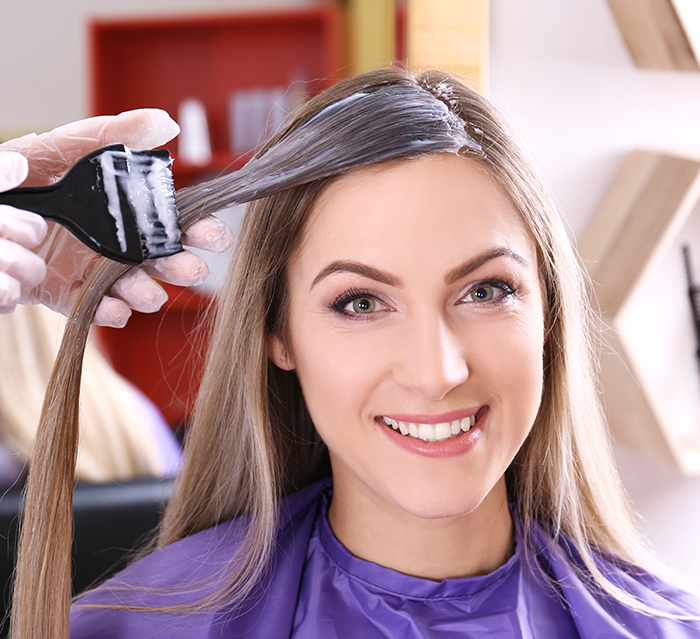
An allergic reaction to hair dye occurs when the immune system mistakenly identifies a substance in the dye as harmful and triggers a response. Symptoms can include itching, redness, swelling, blistering, and even difficulty breathing in severe cases. It’s essential to stop using the dye and seek medical attention if you experience these symptoms.
Why Should you not use Hair Dye?
Allergic reactions to hair dye are typically caused by certain chemicals found in the dye, such as paraphenylenediamine (PPD) or other additives. These chemicals can trigger an immune response in some individuals, leading to symptoms ranging from mild irritation to severe allergic reactions. Additionally, factors such as skin sensitivity and previous exposure to the dye can also contribute to the likelihood of an allergic reaction.
Skin lesions in allergic reactions to hair dye can present as redness, swelling, blistering, or even crusting and oozing in severe cases. These lesions may be localized to the area where the dye was applied or could spread to nearby skin. It’s crucial to seek medical attention if you develop skin lesions after using hair dye, as they may require treatment to prevent further complications and alleviate discomfort.
hair dye harms effect
side effect of hair dye
Diagnosing an allergic reaction to hair dye typically involves:
Clinical examination: A healthcare professional will assess your symptoms, including any skin lesions, itching, or redness.
Medical history: They’ll inquire about your history of hair dye use and any previous allergic reactions or sensitivities to chemicals.
Patch testing: A patch test involves applying small amounts of the hair dye or its components to your skin to observe for any allergic reactions over a period of time, usually 48 hours.
Allergy testing: In some cases, an allergist may perform additional allergy testing to identify specific allergens causing the reaction, especially if the reaction is severe or recurrent.
Based on these assessments, a diagnosis of allergic reaction to hair dye can be made, and appropriate treatment and prevention strategies can be recommended.
To prevent allergic reactions to hair dye, you can:
Patch test: Always perform a patch test before applying the dye to your entire scalp or hair. Apply a small amount of dye to a small area of skin (like behind your ear) and wait 48 hours to see if any reaction occurs.
Choose hypoallergenic products: Look for hair dyes labeled as “hypoallergenic” or “sensitive skin” formulas, as they may contain fewer irritating chemicals.
Avoid certain ingredients: Pay attention to the ingredients list and avoid hair dyes containing known allergens like paraphenylenediamine (PPD) or ammonia.
Wear gloves: When applying hair dye, always wear gloves to minimize skin contact and potential absorption of the dye.
Ventilation: Ensure the area where you’re dyeing your hair is well-ventilated to reduce inhalation of fumes, which can trigger respiratory reactions in sensitive individuals.
Follow instructions: Always follow the instructions provided with the hair dye, including recommended application times and procedures.
Taking these precautions can help reduce the risk of allergic reactions to hair dye.
Treatment for an allergic reaction to hair dye may include:
Stop using the dye: Discontinue use of the hair dye immediately to prevent further exposure to the allergen.
Wash the affected area: Rinse the affected skin thoroughly with cool water to remove any remaining dye and soothe irritation. Avoid using harsh soaps or scrubbing vigorously, as this can exacerbate the irritation.
Topical corticosteroids: Over-the-counter or prescription-strength corticosteroid creams or ointments can help reduce inflammation and itching associated with the allergic reaction. Apply as directed by your healthcare provider.
Antihistamines: Oral antihistamines can help relieve itching and reduce allergic symptoms. Follow the dosage instructions provided on the medication package or as directed by your healthcare provider.
Cool compresses: Applying cool, damp compresses to the affected area can provide temporary relief from itching and inflammation.
Avoid scratching: Resist the urge to scratch the affected skin, as this can worsen the irritation and increase the risk of infection.
Seek medical attention: If you experience severe symptoms such as difficulty breathing, swelling of the face or throat, or widespread blistering, seek immediate medical attention. Severe allergic reactions may require emergency treatment, including epinephrine injections and monitoring in a medical facility.
It’s important to consult with a healthcare professional for proper diagnosis and treatment of an allergic reaction to hair dye, especially if symptoms are severe or persistent.
There are several alternative hair dye options available for individuals with sensitivities or allergies to traditional hair dye ingredients. Some alternatives include:
Henna: Henna is a natural plant-based dye that can provide a range of colors from red to brown. It’s generally well-tolerated and can condition the hair as well.
Vegetable-based dyes: These dyes are made from plant extracts and may be less likely to cause allergic reactions compared to synthetic dyes. They come in various shades and can be found in health food stores or online.
Semi-permanent or demi-permanent dyes: These dyes typically contain fewer harsh chemicals than permanent dyes and may be gentler on the scalp and skin.
Ammonia-free dyes: Look for hair dyes that are labeled as “ammonia-free,” as ammonia can be irritating to the scalp and respiratory system.
Natural or organic dyes: Some companies offer hair dyes made with organic or natural ingredients, which may be less likely to cause allergic reactions in some individuals.
Before using any alternative hair dye, it’s essential to perform a patch test to ensure you don’t have a sensitivity or allergy to any of the ingredients. Additionally, consult with a healthcare professional or hairstylist for personalized recommendations based on your specific needs and concerns.
The take-home message regarding allergic reactions to hair dye is to be vigilant and take preventive measures to minimize the risk of experiencing such reactions. Always perform a patch test before applying the dye to your entire scalp, choose hypoallergenic products whenever possible, and follow instructions carefully. If you do experience symptoms of an allergic reaction, such as itching, redness, swelling, or blistering, stop using the dye immediately and seek medical attention if necessary. Prioritize your safety and well-being by being proactive and cautious when using hair dye.